Contemporary storytelling, Branding and Identity
- May 1
- 2 min read

I recently came across an Instagram page called Chamar Studio. The name felt uncomfortably familiar to my Indian ears. The word “Chamar” is a derogatory term in India, historically used to refer to a community of leather workers within the broader Dalit community, considered “lower caste” under the old and flawed Indian caste system. Naturally, I was curious to see what this page was about.
To my surprise, it was a fashion brand.
Surprising, because fashion often feels like a language controlled by the elite. But here, it was being used as a tool to reclaim identity. As I dug deeper, I learned that the brand was founded by Sudheer Rajbhar, with the intention of employing displaced leather workers in India after the 2015 beef ban.
As a photographer, I was immediately drawn to the imagery and the aesthetic language of the brand. The visuals resemble high fashion editorials, carrying a sense of “high taste” value. But beyond the aesthetics, I found myself more interested in this phenomenon of identity reclamation than in critiquing the visual quality itself.
On one of their about pages, I came across a line that stayed with me: “Chamar creations and collections are activism flags of different realities of social injustice in India.” It is fascinating to see how a language that has long dictated narratives around beauty and aesthetics is now being repurposed as a tool for the oppressed.
The bold imagery reminded me of how photography was historically used by colonial or other powers to push political propaganda, or quite often outdated race based theories. These images felt less like portraits and more like research documentation, with subjects reduced to specimens of an "experiment". And yet, the same medium today is being reclaimed, used by communities to tell their own stories, to assert their own identities. This, to me, is the power of art.


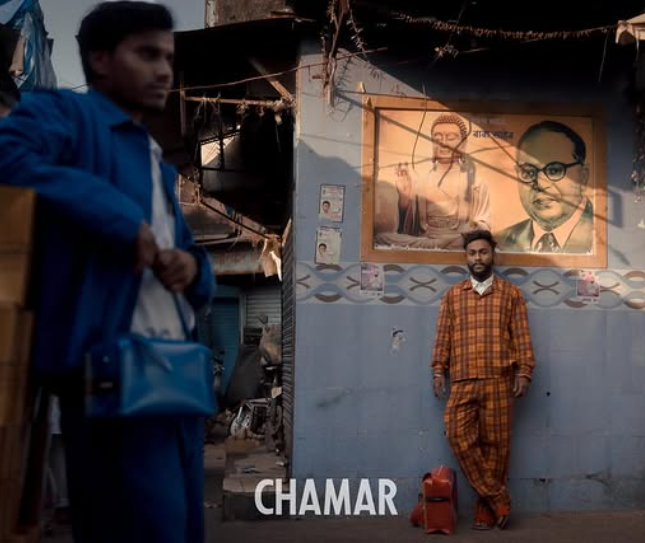
Visuals taken from Chamar Studio Instagram Page
I recently read something that resonated deeply: it is crucial to tell your own stories, because if you don’t, there is a strong chance someone else will tell them for you, and often inaccurately.
Chamar Studio is not just selling beautifully crafted fashion, it is asserting a narrative that has long been suppressed and misrepresented by dominant structures in India. It reflects a broader shift in how editorial language is evolving within the new media landscape. Independent brands today are not just building products, they are building communities rooted in shared values and stories. This creates a deeply engaged audience from the very beginning.
It also signals a shift in advertising. What was once primarily about appealing through aesthetics is increasingly becoming about truth-telling. And with the rise of AI, I believe this desire for authenticity will only grow stronger not across all categories, perhaps, but certainly in those where meaning and identity matter most.


What an amazing way to bring out a brand and make it so easily relate to everyone who cares about people, culture and equality.
Beautiful